How to Choose a Boudoir Photographer You Can Trust
Choosing a boudoir photographer is not like choosing someone to shoot your family portraits. The stakes are different. Someone will see you at your most exposed, and how that experience is handled stays with you long after the gallery is delivered. Here is what to look for, what to ask before you commit, and the warning signs worth paying attention to.
What the Portfolio Actually Tells You
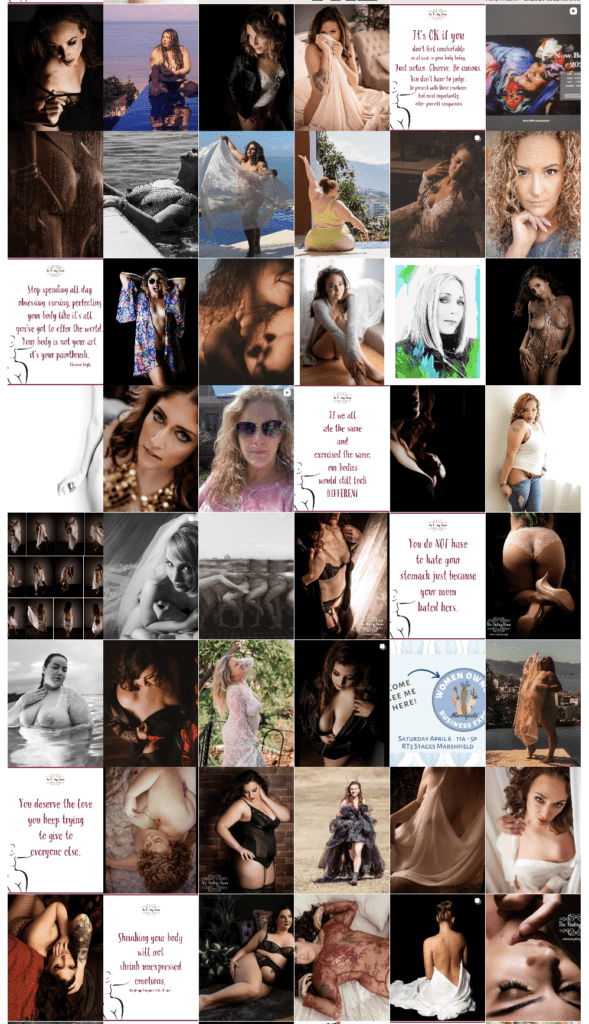
Before anything else, spend real time with the portfolio. Two things become clear when you do: technical ability and who the photographer is actually comfortable shooting.
A portfolio that shows only one type of woman, one body, one aesthetic, tells you something about the range of clients the photographer feels equipped to handle. Strong boudoir work shows variety: different ages, sizes, skin tones, and personalities, all shot with the same level of care and intention. Look also for images where the subject looks genuinely at ease, not stiff, not performing, not just tolerating the camera. A woman who looks uncomfortable in her own photos is giving you a preview of what the session felt like.
Consistency matters too. One great image in a sea of mediocre ones is not a portfolio worth trusting. Look for consistent quality across dozens of images and across different types of clients. That consistency is what tells you the skill is real and repeatable, not lucky.
The Camera Is Only Part of the Equation
Boudoir photography sits at a different intersection than most portrait work. Body image, personal exposure, and emotional safety all come into it. Technical skill behind the lens matters, and so does the person holding it.
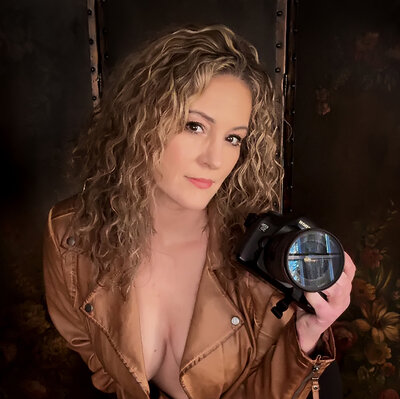
Before booking, find out whether the photographer has any background in psychology, counseling, or behavioral health. At The Pouting Room, Stefanie Kimball brings 21 years of photography experience alongside a Master of Social Work. Clinical training in human behavior is not standard in this field. Here, it is the foundation every session is built on.
A photographer who understands vulnerability, who has studied how people process self-image and emotional safety, builds a very different session than someone whose training stops at the camera. When you are deciding who to trust with this kind of experience, that distinction matters more than most women initially realize.
How to Read Reviews Without Being Fooled by Star Counts
Skip straight past the rating and read what women actually describe. Did they feel guided? Did the photographer make them feel welcome, not just tolerated? Were they surprised by how the photos turned out?
Reviews that use words like “seen,” “safe,” “guided,” and “I could not believe that was me” are telling you something about the actual experience inside the studio. Reviews that focus on turnaround time and easy booking tell you almost nothing about what it felt like to be there.
Pay particular attention to reviews from women who describe themselves as nervous or self-conscious before the session. How the photographer handled that nervousness, and whether it dissipated or persisted, tells you more about their skill and their approach than any technical compliment will.
Questions Worth Asking Before You Commit
A photographer worth trusting answers these without hesitation or hedging:
- Who will be in the room during my session?
- How are my images stored, and for how long?
- Will my photos ever appear in marketing or on social media without my written permission?
- What happens if I need to reschedule?
- What is the process if I have concerns after seeing my gallery?
- Is there a signed contract and model release before the session is scheduled?
Vague answers or visible irritation at being asked these questions is all the information you need. A photographer who is bothered by reasonable questions about your privacy and your images is not someone whose studio you want to be vulnerable inside.
Warning Signs Worth Walking Away From
- No pricing available until after you have expressed serious interest
- Pressure to commit before a consultation has taken place
- No contract or model release required before the session date
- Reviews where clients describe feeling rushed or dismissed
- A photographer who cannot clearly explain how they guide posing
- No pre-session conversation offered at all
Any one of those is worth pausing over. More than one is a clear answer. The boudoir industry, like any unregulated creative field, has a wide range of practitioners. Some of them have invested deeply in their craft, their client experience, and their ethical practice. Others have not. The questions above are how you tell the difference before you are already in the room.
Price Is Not the Main Variable Here
Boudoir is not the place to find the lowest number and call it a win. Cheaper does not mean better, and a session that leaves you feeling unsupported or uncomfortable does not become a good deal because it cost less. Ask what experience, training, and process are behind the price before deciding what the price means.
The inverse is also worth saying: expensive does not automatically mean trustworthy. Price is one data point. Portfolio consistency, client reviews, communication style, and transparent policies together are the picture worth looking at.
Professional Credentials Are Worth Asking About
Organizations like the Professional Photographers of America hold members to standards around ethics, education, and professional conduct. Membership alone is not a guarantee of quality, but asking what professional organizations a photographer belongs to, and what continuing education they invest in, gives you information worth having. A photographer who pursues ongoing education in their craft is signaling that they take the work seriously enough to keep improving at it.
The Consultation Is the Test
Before any session is scheduled, a serious boudoir photographer offers a real consultation. Not a booking call designed to close a sale. An actual conversation about what you want from the experience, what concerns you have, what your body and your history bring into the room, and how the session will be structured around you specifically.
Pay attention to how you feel during that conversation. Do you feel heard? Does the photographer ask follow-up questions, or do they jump straight to availability and pricing? Do they explain their process clearly, or do they keep things vague? The consultation is a preview of the session itself. Trust what it shows you.
Frequently Asked Questions
Should I meet the photographer before booking?
Yes, or at least have a real phone or video conversation first. How a photographer communicates before the session is a direct preview of how they communicate during it. Scattered, dismissive, or purely transactional contact before you book does not improve once you arrive.
What should a boudoir contract include?
At minimum: the session date and time, exactly what is included, complete pricing and payment terms, how images can and cannot be used, privacy and confidentiality terms, and the rescheduling and cancellation policy. Nothing should be scheduled without a signed agreement in hand.
Is it strange to feel nervous about reaching out for the first time?
Most women sit with the idea for weeks or months before making first contact. A good initial consultation should feel like a conversation, not a sales pitch. Pressure before you have even finished asking your questions is the answer to whether you should book.
How much boudoir experience should a photographer have?
General photography years matter less than boudoir-specific experience. The situations that arise in this kind of session are particular to this kind of work. Ask how long the photographer has been shooting boudoir specifically, and ask to see consistent portfolio work across that time.
What makes The Pouting Room different from other boudoir photographers in Massachusetts?
Twenty-one years of professional photography experience combined with a Master of Social Work is not a combination you find often in this industry. Every session at The Pouting Room is structured around the client’s emotional experience as much as the final images: trauma-informed practice, clear posing direction from start to finish, no pressure at the gallery reveal, and a studio where every woman who walks in feels like she belongs there.
What if I have been burned by a bad experience with a photographer before?
That happens, and it matters. Bring it up in the consultation. A photographer worth trusting will want to know what went wrong, how it affected you, and how to structure your session differently. A photographer who brushes past it is telling you something important about how they handle difficult conversations inside the studio.
See what a session looks like from start to finish: What to Expect at a Boudoir Session.
Ready to reach out? Start the conversation here.